В Одесі завершився фінальний навчальний етап транснаціонального проєкту «Покращення доступу до освіти у прикордонних регіонах як ключ до соціалізації та інтеграції в ЄС» — Learn Across Borders, ROUA00342.
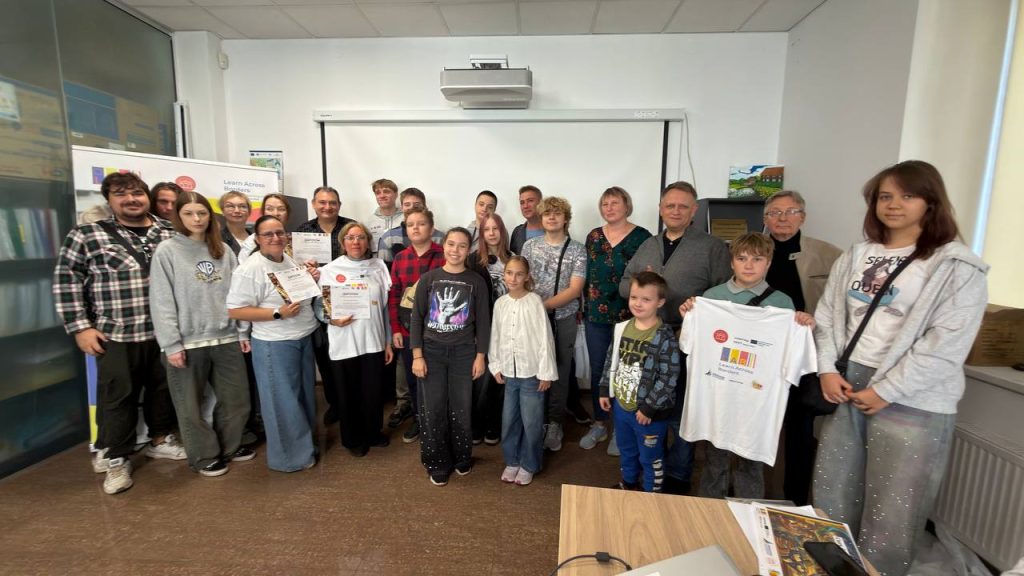
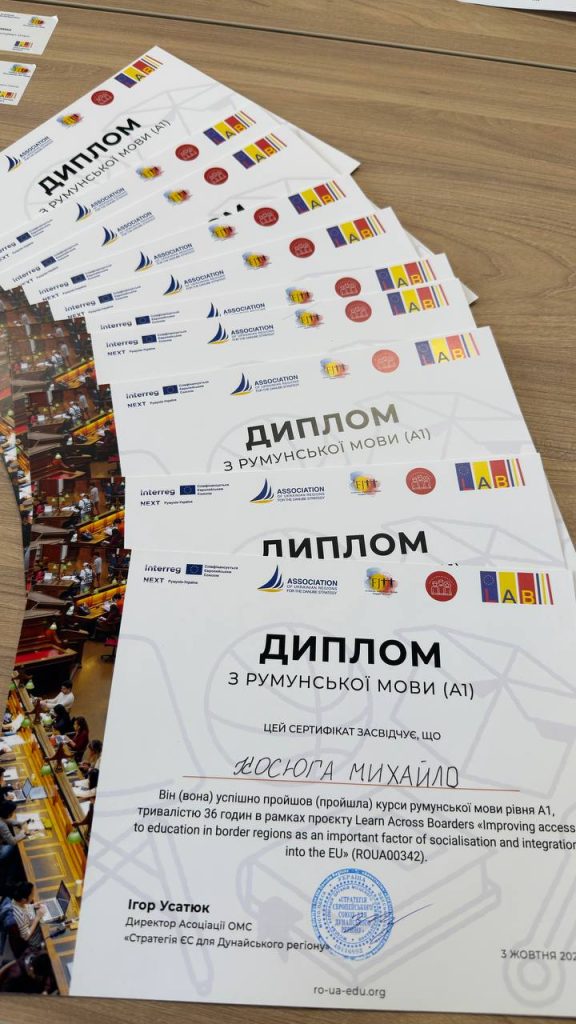
Понад 45 учасників різного віку пройшли 36-годинний курс румунської мови рівня А1, успішно склали підсумкові тести та отримали сертифікати про завершення навчання.
Наймолодшому слухачеві було 6 років, найстаршому — 63. Для кожної вікової категорії формували окрему програму та графік занять, щоб навчання відповідало можливостям і потребам конкретної групи.
Організатори наголошують: це був не короткий ознайомчий курс, а системне навчання з викладачами, практичною роботою та обов’язковою перевіркою отриманих знань. І результат уже можна оцінити: всі учасники успішно завершили навчальну програму, склали фінальні тести та отримали сертифікати.
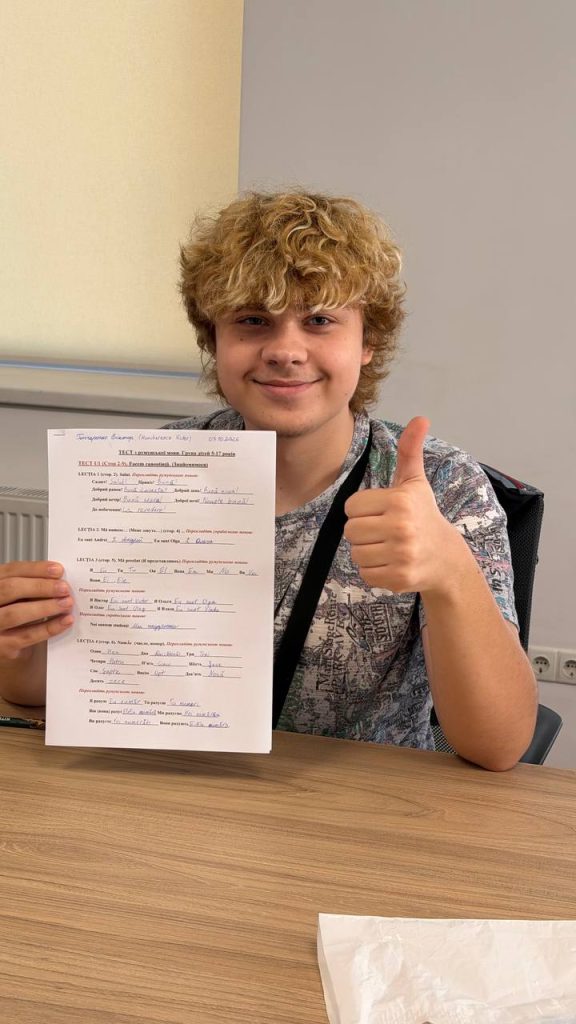
Сертифікати підтверджують проходження 36-годинного курсу румунської мови рівня А1. Отримані знання також створюють базу для тих, хто надалі захоче складати офіційний мовний іспит. Мотивація слухачів була різною. Для одних румунська мова пов’язана з родиною та власним корінням, тому люди хотіли згадати або краще опанувати рідну мову. Для інших це можливість вивчити ще одну іноземну мову, розширити коло спілкування та отримати нові можливості.
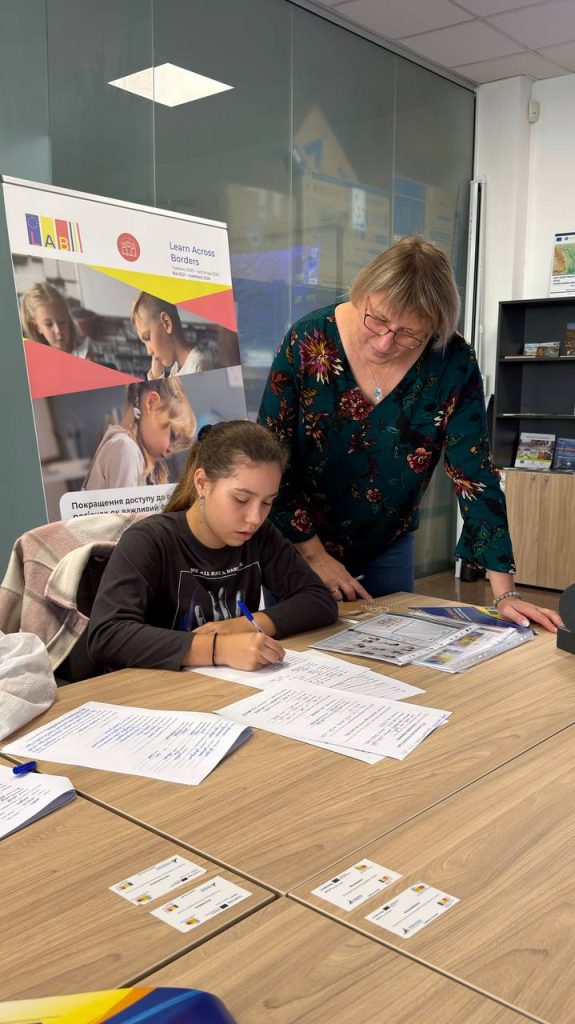
Якість навчання та живе спілкування
Одним із принципових завдань проєкту стало забезпечення високої якості викладання.
До роботи залучили фахівців, зокрема носіїв румунської мови. З дитячою групою працював викладач Південноукраїнського національного педагогічного університету імені К. Д. Ушинського. Навчання будували так, щоб слухачі не просто запам’ятовували правила, а якомога швидше починали використовувати мову в реальних ситуаціях.
Важливу роль відігравало безпосереднє спілкування між викладачем і групою.
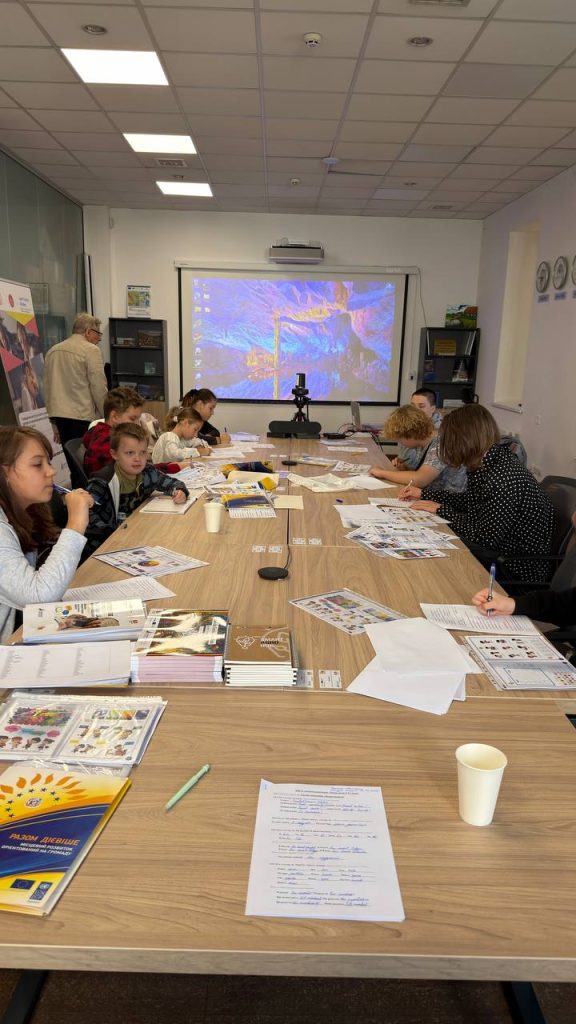
«Все-таки живе спілкування — воно краще», — зазначають організатори курсу.
Практика показала, що особливо хороші результати демонструють ті учасники, які мають можливість використовувати румунську мову і поза аудиторією — у родині або в щоденному спілкуванні.
Навчальний центр, де почуваєшся як удома
Для проведення програми в центрі Одеси з нуля облаштували офіс та сучасний навчальний клас з необхідним обладнанням.
Але організатори від початку прагнули створити тут не просто аудиторію зі столами та дошкою. Велика увага приділялася атмосфері. Під час навчання були передбачені перерви, чай, кава, можливість поговорити з викладачами та іншими учасниками вже не в межах уроку. У результаті сформувався простір із теплою, майже домашньою атмосферою, в якій люди різного віку могли вільно спілкуватися, ставити запитання і не боятися помилятися. І це стало важливою частиною самого навчального процесу.
Адже вивчення мови потребує не лише хорошого викладача та правильної методики. Людина має перестати боятися говорити. А це значно легше відбувається там, де вона почувається комфортно і бачить підтримку.
Саме тому в Learn Across Borders вдалося поєднати дві речі, які не завжди зустрічаються разом: серйозний професійний підхід до освіти та просту людську теплоту.
Більше, ніж мовні курси
Learn Across Borders від початку створювався не просто як курс іноземної мови.
Після 2022 року питання мовної та культурної інтеграції стало особливо важливим. Тисячі людей змінили місце проживання, опинилися в іншому мовному середовищі, почали будувати життя в нових громадах.
Для прикордонних територій України та Румунії знання мов одне одного — це можливість не лише краще порозумітися, а й зберігати культурні зв’язки між громадами.
Саме тому проєкт охоплює не тільки безпосереднє навчання. Його частиною стали створення методик і навчальних матеріалів, підготовка викладачів, обмін досвідом між українськими та румунськими педагогами, тренінги та майстер-класи.
Фактично за час реалізації Learn Across Borders пройшов увесь шлях — від ідеї та створення методики до конкретного результату, який сьогодні можна виміряти десятками людей, що вже отримали нові знання.
Проєкт за підтримки Європейського Союзу
Проєкт Learn Across Borders, ROUA00342 реалізується Асоціацією органів місцевого самоврядування «Стратегія ЄС для Дунайського регіону» у партнерстві з Фундацією молоді повіту Тулча.
Ініціатива впроваджується в межах програми Interreg VI-A NEXT Румунія-Україна 2021-2027, фінансується Європейським Союзом і співфінансується країнами — учасницями Програми.
Загальний бюджет проєкту становить 281 439,93 євро.
Для учасників нинішній курс був повністю безкоштовним.
Попереду — фінальна конференція, на якій організатори підбиватимуть загальні підсумки реалізації проєкту.
А результат навчального етапу вже є: понад 45 учасників віком від 6 до 63 років пройшли повну програму, успішно склали тести та отримали сертифікати.
І, можливо, найважливіше — проєкт показав, що вивчення мови може бути одночасно серйозним і комфортним. Коли професійна методика, сильні викладачі та вимогливе навчання поєднуються з живим спілкуванням і домашньою атмосферою, люди приходять не просто «відбути курс». Вони справді хочуть вчитися.
Детальніше про проєкт: ro-ua-edu.org.
Ця публікація підготовлена за підтримки Європейського Союзу. За її зміст несе відповідальність Асоціація органів місцевого самоврядування «Стратегія ЄС для Дунайського регіону». Зміст публікації не обов’язково відображає офіційну позицію Європейського Союзу або структур управління Програми Interreg VI-A NEXT 2021–2027.
From Methodology to Results: The Final Training Phase of Learn Across Borders has been Concluded in Odesa
The final training phase of the transnational project Improving access to education in border regions as an important factor of socialisation and integration into the EU – Learn Across Borders, ROUA00342, has been concluded in Odesa.
More than 45 participants of various ages completed a 36-hour A1-level Romanian language course, successfully passed the final tests, and received certificates of completion.
The youngest learner was 6 years old, and the oldest was 63. A separate curriculum and class schedule were developed for each age group so that the training would match that group’s abilities and needs.
The organizers emphasize that this was a structured course with instructors, practical work, and mandatory assessment of the knowledge gained, rather than a brief introductory course. The results can already be assessed: all participants successfully completed the curriculum, passed the final tests, and received certificates.
The certificates confirm completion of a 36-hour A1-level Romanian language course. The knowledge gained also provides a foundation for those who wish to take an official language exam in the future. The learners had different motivations. For some, Romanian is connected to their families and their roots, so they wanted to refresh their knowledge of their native language or improve their proficiency. For others, it is an opportunity to learn another foreign language, expand their social circles, and gain new opportunities.
Quality Instruction and Face-to-Face Communication
Ensuring high-quality instruction became one of the project’s key objectives.
Specialists, including native Romanian speakers, were brought in to teach. An instructor from the South Ukrainian National Pedagogical University named after Ushynskyi K.D. worked with the children’s group. The training was structured so that learners would begin using the language in real-life situations as quickly as possible, rather than simply memorizing rules.
Direct communication between the instructor and the group played an important role.
“After all, face-to-face communication is better,” the course organizers note.
Experience showed that participants who have opportunities to use Romanian outside the classroom as well – with their families or in everyday communication – achieve particularly good results.
A Learning Center that Feels like Home
An office and a modern classroom with the necessary equipment were set up from scratch in central Odesa to deliver the program.
But from the outset, the organizers sought to create more than just a classroom with desks and a board. They paid close attention to the atmosphere. The training included breaks, tea, coffee, and opportunities to talk with instructors and other participants outside class. The result was a space with a warm, almost homelike atmosphere where people of different ages could communicate freely, ask questions, and feel unafraid to make mistakes. This became an important part of the learning process itself.
After all, learning a language requires more than a good instructor and the right methodology. A person needs to overcome the fear of speaking. That happens much more easily in an environment where they feel comfortable and supported.
That is why Learn Across Borders managed to bring together two things that do not always go hand in hand: a serious, professional approach to education and simple human warmth.
More than Language Courses
Learn Across Borders was designed from the outset to be more than just a foreign language course.
After 2022, linguistic and cultural integration became particularly important. Thousands of people relocated, found themselves in a different language environment, and began building lives in new communities.
For the border areas of Ukraine and Romania, knowing each other’s languages offers an opportunity both to understand one another better and to preserve cultural ties between communities.
That is why the project goes beyond direct instruction. It also includes developing teaching methodologies and learning materials, preparing instructors, exchanging experience between Ukrainian and Romanian educators, training sessions, and workshops.
In fact, over the course of its implementation, Learn Across Borders has traveled the entire path – from the initial idea and the development of a methodology to a tangible result that can now be measured in the dozens of people who have already gained new knowledge.
A Project Supported by the European Union
The project Learn Across Borders, ROUA00342, is implemented by the Association of Local Self-Government Bodies EU STRATEGY FOR THE DANUBE REGION in partnership with the Tulcea County Youth Foundation.
The initiative is implemented within the framework of the Interreg VI-A NEXT Romania-Ukraine 2021-2027 Program, funded by the European Union and co-financed by the countries participating in the Program.
The project’s total budget is EUR 281,439.93.
This course was completely free for participants.
A final conference is coming up, at which the organizers will review the overall results of the project’s implementation.
The training phase has already produced results: more than 45 participants aged 6 to 63 completed the full program, successfully passed the tests, and received certificates.
Perhaps most importantly, the project demonstrated that language learning can be both serious and comfortable. When professional methodology, skilled instructors, and rigorous training are combined with face-to-face communication and a homelike atmosphere, people come for more than just “getting through the course.” They truly want to learn.
More about the project: ro-ua-edu.org
This publication was prepared with the support of the European Union. The Association of Local Self-Government Bodies EU STRATEGY FOR THE DANUBE REGION is responsible for its content. The content of this publication does not necessarily reflect the official position of the European Union or the management bodies of the Interreg VI-A NEXT 2021-2027 Program.